

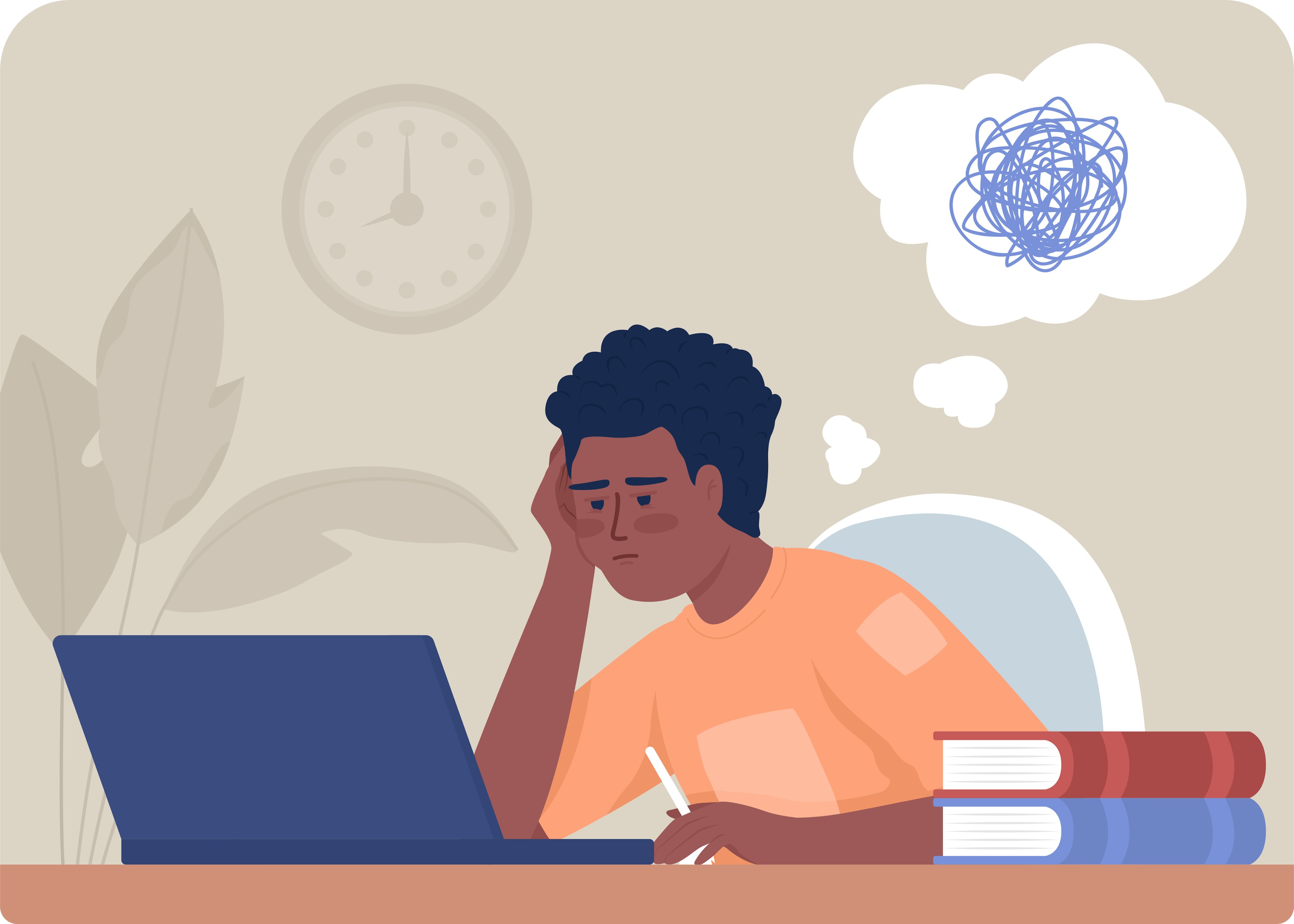
If you live with ADHD, you already know how much it can affect daily life. Focus can feel inconsistent. Motivation can come in waves. Sleep may be hard to protect. And emotional overwhelm can show up at the worst times.
It’s also common to wonder whether medical cannabis could help. You might hear people say it “calms their mind,” “helps them sleep,” or “makes it easier to focus.” You might also hear the opposite—that it causes brain fog, worsens motivation, or increases anxiety.
Both can be true. ADHD is complex, cannabis is variable, and results can differ widely from person to person.
If you’re in Florida or Pennsylvania and want a clear, ethical next step, you can Get My Med Card Now. If you’re already a patient and need to stay active, choose Renew My Med Card.
Why ADHD and Medical Cannabis Is Complicated
ADHD isn’t just “trouble paying attention.” It can involve executive dysfunction, emotional regulation challenges, restlessness, impulsivity, and difficulties with sleep and routine.
Many people with ADHD also deal with anxiety, depression, chronic pain, or insomnia. That matters, because people often explore cannabis for those overlapping struggles—not just for ADHD itself.
Cannabis is also not a standardized medication in the way most prescriptions are. Products vary widely in their THC and CBD content, how fast they take effect, and how long they last. Even the same label can feel different depending on your body, your sleep, your stress level, and your tolerance.
That combination—complex symptoms and variable products—is why guidance and caution are so important.
What the Research Says About Cannabis for ADHD
The honest answer is that evidence is limited and mixed.
Some early research and patient-reported outcomes suggest that certain people experience changes in restlessness, mood, or sleep. Other findings suggest cannabis can worsen attention, memory, motivation, or anxiety—especially with higher THC exposure or frequent use.
There are still unanswered questions about long-term impact, who is most likely to benefit, and who is most likely to experience downsides. Researchers also continue to study how cannabis affects developing brains, which is why extra caution is typically recommended for adolescents and young adults.
A safe takeaway is this: ADHD symptoms and cannabis responses are highly individualized. If you decide to explore medical cannabis, doing so through a clinician-led evaluation and a compliance-first approach is safer than trial-and-error alone.
What People Commonly Report (And Why It Varies So Much)
Many people describe perceived benefits in certain areas, especially when ADHD overlaps with stress or sleep disruption. Others report drawbacks that make ADHD harder to manage. Often, the difference comes down to potency, frequency, and how someone’s nervous system responds.
Perceived benefits some people describe
Some patients say they feel calmer, less “wired,” or less emotionally reactive. Others describe that it helps them unwind at night and protect sleep, which can indirectly improve next-day functioning.
Some people also report feeling more present or less overwhelmed by racing thoughts, especially during high-stress periods.
Common downsides people describe
Others report brain fog, worse short-term memory, reduced motivation, or a “next-day haze.” Some feel more anxious, more self-critical, or more socially withdrawn—especially if the product is THC-heavy or they use it when already stressed.
A pattern you’ll hear often is that something may feel helpful in the moment but complicated over time. Routine use can create tolerance, and the “trade-offs” can creep in quietly—sleep shifts, mood changes, productivity dips, or reliance on cannabis as the main coping tool.
None of this means cannabis is “bad.” It means ADHD deserves a careful, personalized approach.
Safety First: Risks and Red Flags for ADHD + Cannabis
This is the most important part of the page.
1) Increased risk of problematic use
People with ADHD may have a higher risk of developing unhealthy patterns with substances, especially when using something to self-soothe or manage stress. If you’ve ever felt pulled toward compulsive coping—whether it’s scrolling, gaming, shopping, or substances—it’s worth taking this seriously.
A clinician can help you think through safeguards and decide whether medical cannabis is a reasonable option for you.
2) Memory and executive function concerns
Cannabis can affect short-term memory and attention in some people. If your ADHD already impacts planning, working memory, or follow-through, cannabis may help in one area while making another area harder.
It’s also important to consider safety-sensitive activities like driving, operating equipment, or working in roles where impairment risk is high.
3) Anxiety, paranoia, and mood shifts
Some individuals feel calmer with cannabis. Others feel more anxious, restless, or uneasy. Mood and anxiety shifts can be more likely when stress is high, sleep is poor, or the THC level is stronger than expected.
If you have a history of panic attacks, psychosis, mania, or severe mood instability, you should be especially cautious and seek direct medical guidance.
4) Mixing cannabis with ADHD medications
Many patients ask about using cannabis alongside stimulant medications such as Adderall, Vyvanse, or Ritalin. This is not a situation for guesswork.
Cannabis and stimulants can affect sleep, appetite, heart rate, anxiety levels, and focus in different ways. Combining them can feel unpredictable, especially if dosing or timing isn’t stable.
If you’re considering medical cannabis and take ADHD medication, the safest path is a clinician-led discussion that considers your full health history.
Can You Get a Medical Marijuana Card for ADHD?
This is a common question, and the answer depends on where you live.
ADHD is not always listed as a standalone qualifying condition in medical cannabis programs. In some states, patients qualify under related diagnoses, overlapping conditions, or symptom-based categories recognized by the state.
Florida
Florida has a defined list of qualifying conditions and also allows certification for conditions “of the same kind or class” as those listed, based on clinician judgment and state guidelines. Eligibility is evaluated case-by-case. Your clinician will review your history and determine whether you qualify under Florida’s rules.
Pennsylvania
Pennsylvania recognizes a defined list of serious medical conditions. Whether you qualify depends on your diagnosis and the state’s current qualifying criteria. Many patients ask about ADHD in relation to anxiety or other recognized categories, but eligibility must be determined through an evaluation aligned with state guidelines.
The key point is simple: the internet can’t approve you. A licensed clinician can evaluate you.
If you’re ready to take that step, click Get My Med Card Now.
How to Talk to a Medical Cannabis Clinician About ADHD
A helpful evaluation starts with clarity.
Before your visit, consider writing down:
- Your current ADHD symptoms and when they’re most disruptive.
- Your sleep patterns and whether insomnia is a major factor.
- Any anxiety, depression, or chronic pain concerns.
- Your current medications, including stimulants and any sleep aids.
- What you’ve tried already and what side effects you’ve experienced.
During your appointment, you can ask:
- How might cannabis affect focus, memory, and motivation for someone like me?
- What impairment risks should I take seriously?
- What should I watch for that would mean cannabis isn’t a good fit?
- How do renewals and follow-ups work in my state?
A good clinician doesn’t pressure you. They help you decide responsibly.
How Verileaf Helps You Decide (Without Pressure)
Verileaf MD exists to make this process simple, ethical, and patient-centered.
We provide medical evaluations that follow state guidelines. We do not issue prescriptions. When medical cannabis is appropriate, our licensed clinicians provide the necessary certification or recommendation so you can complete your state process.
We also support patients beyond the appointment with clear guidance, 24/7 help, and renewal reminders so you stay compliant and informed.
If you’re starting fresh, choose Get My Med Card Now.
If you’re due to renew, choose Renew My Med Card.
For all inquiries, you can reach us at contact@buymedcard.com.
