

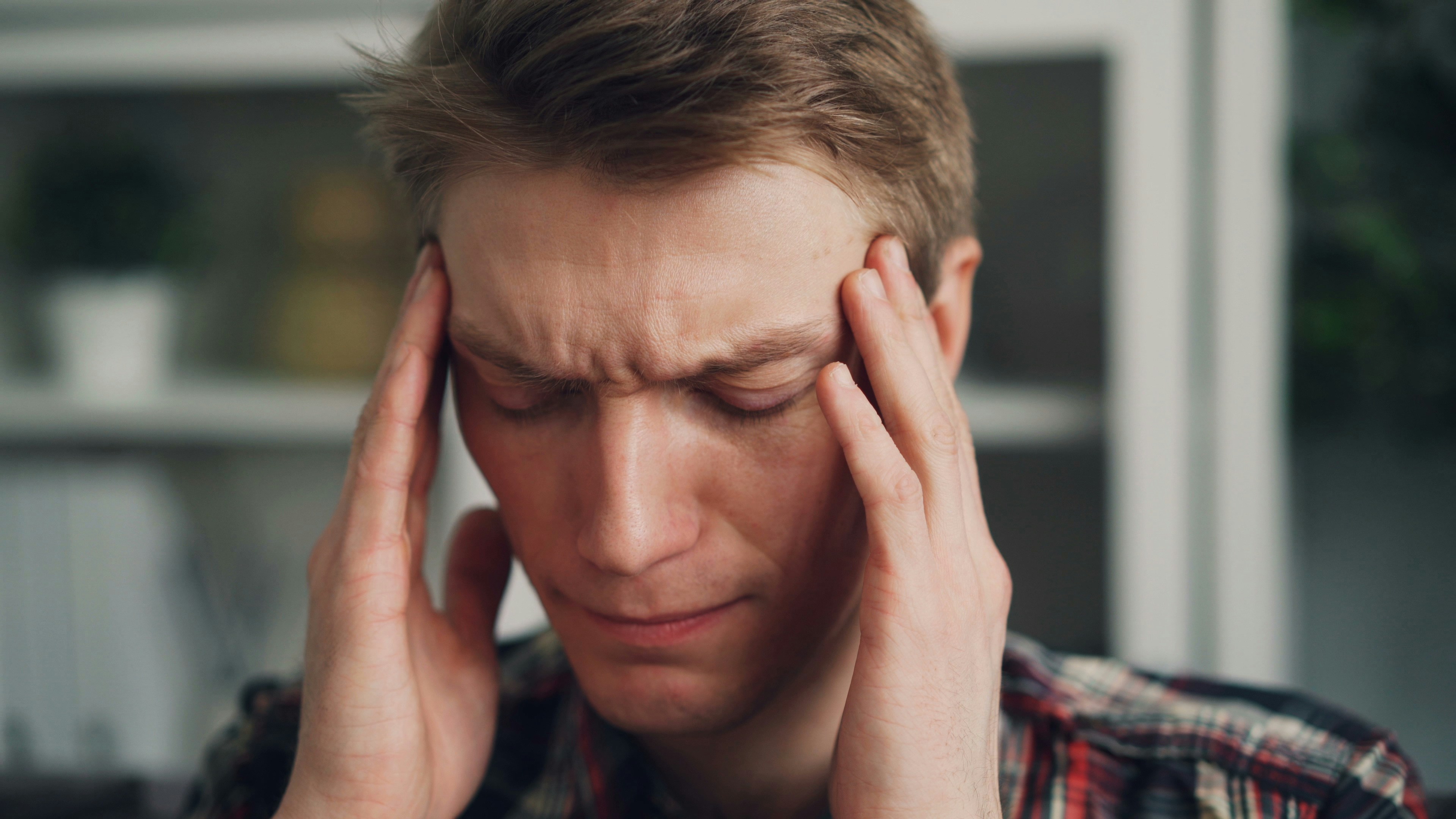
Migraines can be disruptive, exhausting, and hard to explain to someone who hasn’t lived with them. For many people, it’s not “just a headache.”
It can be pain plus nausea, light sensitivity, brain fog, and days of feeling wiped out. If you’re exploring options that feel more manageable, you may be wondering whether medical cannabis could play a role.
If you’d like to talk with a licensed clinician, you can Get My Med Card Now. If you’re already certified and want to stay active, choose Renew My Med Card.
Migraine basics
A migraine is a neurological condition that often causes moderate to severe head pain—sometimes on one side, sometimes both. Many people also experience symptoms like nausea, vomiting, sensitivity to light or sound, dizziness, or visual changes.
Migraines can be episodic (happening occasionally) or chronic (happening frequently). Triggers can vary widely, including stress, sleep disruption, certain foods, dehydration, hormonal shifts, and changes in weather. What’s frustrating is that triggers aren’t always obvious, and what helps one person may not help another.
If you ever experience sudden “worst headache of your life,” new neurological symptoms, fainting, or a headache pattern that changes sharply, seek urgent medical care. Safety comes first.
How medical cannabis may affect migraine symptoms
Medical cannabis is often discussed in the context of symptom support—especially pain, nausea, sleep, stress, and overall quality of life.
Researchers believe the body’s endocannabinoid system plays a role in regulating pain signaling, inflammation responses, and nervous system balance.
That’s part of why cannabinoids like THC and CBD are being studied for migraine-related concerns.
It’s important to keep expectations realistic. Some patients report that cannabis helps them manage pain intensity, nausea, or the ability to rest during an attack.
Others report no benefit, and some people find certain products make symptoms worse—especially if they feel anxious, dizzy, or overly sedated.
Your response depends on many factors, including the type of migraine you experience, your sensitivity to THC, your overall health, and how your body reacts to specific cannabinoid profiles.
THC vs. CBD for migraines
People often ask whether THC or CBD is “better” for migraines. There isn’t one right answer, and we avoid blanket recommendations.
In general terms:
- THC is the cannabinoid most associated with psychoactive effects (feeling “high”). Some patients report THC helps with pain perception, nausea, and relaxation, while others find it can worsen anxiety or dizziness.
- CBD is non-intoxicating and is often discussed for general calming effects, inflammation pathways, and balance. Some patients prefer CBD-dominant options if they want symptom support without impairment.
Many medical cannabis products contain a combination of cannabinoids. A clinician can help you think through safety and fit based on your history, your sensitivity, and what you’re trying to manage.
What the research says (and what it doesn’t)
Interest in cannabis for migraines has grown, but research is still developing. Some studies and patient reports suggest potential benefits for certain migraine symptoms, while other evidence is mixed. There also aren’t universal, standardized dosing guidelines for migraine care, which is one reason clinician guidance matters.
The most honest summary is this: medical cannabis may help some people manage migraine-related symptoms, but results vary, and more high-quality research is needed.
At Verileaf, we focus on ethical education and responsible evaluation. We do not present cannabis as a guaranteed solution. We help patients understand what’s known, what’s uncertain, and what’s safest based on their personal situation.
Risks, side effects, and safety checks
This section matters. Even if you’ve heard positive stories, it’s essential to understand the risks and the “real-world” considerations.
Rebound headaches and overuse
In migraine care, frequent use of certain relief strategies can sometimes contribute to rebound or medication-overuse headaches. The same idea can apply when people use cannabis too frequently or rely on it as the only tool. If you’re using anything regularly for migraine relief, it’s worth discussing patterns with a clinician so you can avoid making headaches more frequent over time.
Tolerance and needing more over time
Some people notice that frequent THC use can lead to tolerance, meaning they need more to feel the same effect. This can increase cost, increase side effects, and make it harder to find a stable routine. For many patients, a “less is more” mindset is safer—especially at the beginning.
Side effects and impairment
Possible side effects may include dizziness, dry mouth, fatigue, changes in concentration, anxiety, or feeling “too high.” These effects vary by person and by product type.
Medical cannabis can impair driving and decision-making. If you use THC-containing products, plan accordingly and never drive while impaired.
Medication interactions
Cannabis may interact with certain medications. If you take prescription drugs—especially those affecting mood, sleep, blood pressure, or blood clotting—talk with a clinician before using cannabis.
Forms of medical cannabis and migraine timing
Different product forms have different onset and duration. This matters for migraines because some people are trying to support symptoms quickly during an attack, while others are focused on sleep support or longer-lasting effects.
In general:
- Inhaled forms tend to have faster onset and shorter duration.
- Tinctures may have a moderate onset and moderate duration, depending on how they’re used.
- Edibles often have slower onset and longer duration.
We don’t provide dosing instructions on this page. Your clinician can discuss safer ways to think about timing, onset, and impairment risk based on your goals and your state rules.
Do migraines qualify for a medical marijuana card?
Eligibility depends on your state’s medical cannabis program and clinical evaluation. Migraines are not universally listed the same way in every state, which is why a licensed clinician review is important.
Florida
Florida has a list of qualifying conditions and also allows physicians to certify certain conditions that are comparable in kind or severity to those listed.
Many patients with migraine-related disability explore medical cannabis through pathways that involve chronic pain or comparable symptom burden, but eligibility must be determined by a qualified Florida clinician.
Also important: Florida’s initial certification visit must be in person under current state rules. Many follow-up visits and renewals may be eligible for telehealth, depending on current requirements.
If you’re in Florida and want to explore your options, you can Get My Med Card Now. If you’re already certified, choose Renew My Med Card to stay compliant.
Pennsylvania
Pennsylvania requires that patients have one of the state-recognized serious medical conditions and be certified by an approved practitioner. Whether migraine-related concerns qualify depends on how your diagnosis and symptoms fit Pennsylvania’s rules and your clinician’s evaluation.
If you’re in Pennsylvania and want a clear answer based on your situation, start with Get My Med Card Now. If you’re renewing, click Renew My Med Card.
How Verileaf supports your journey
Verileaf MD was built to make the process clear, ethical, and supportive.
We provide:
- Licensed clinicians who listen, not rush.
- A calm, private evaluation focused on your history and goals.
- Clear guidance on what your state requires and what happens next.
- Ongoing support, reminders, and renewal help so you don’t feel alone in the process.
If you’re ready to take the next step, choose Get My Med Card Now. If you’re returning, select Renew My Med Card.
Ready to begin?
If migraines are affecting your quality of life and you want a clear, ethical evaluation, Verileaf is here to help.
GET MY MED CARD NOW RENEW MY MED CARD
For all inquiries, you can reach us at contact@buymedcard.com.
