

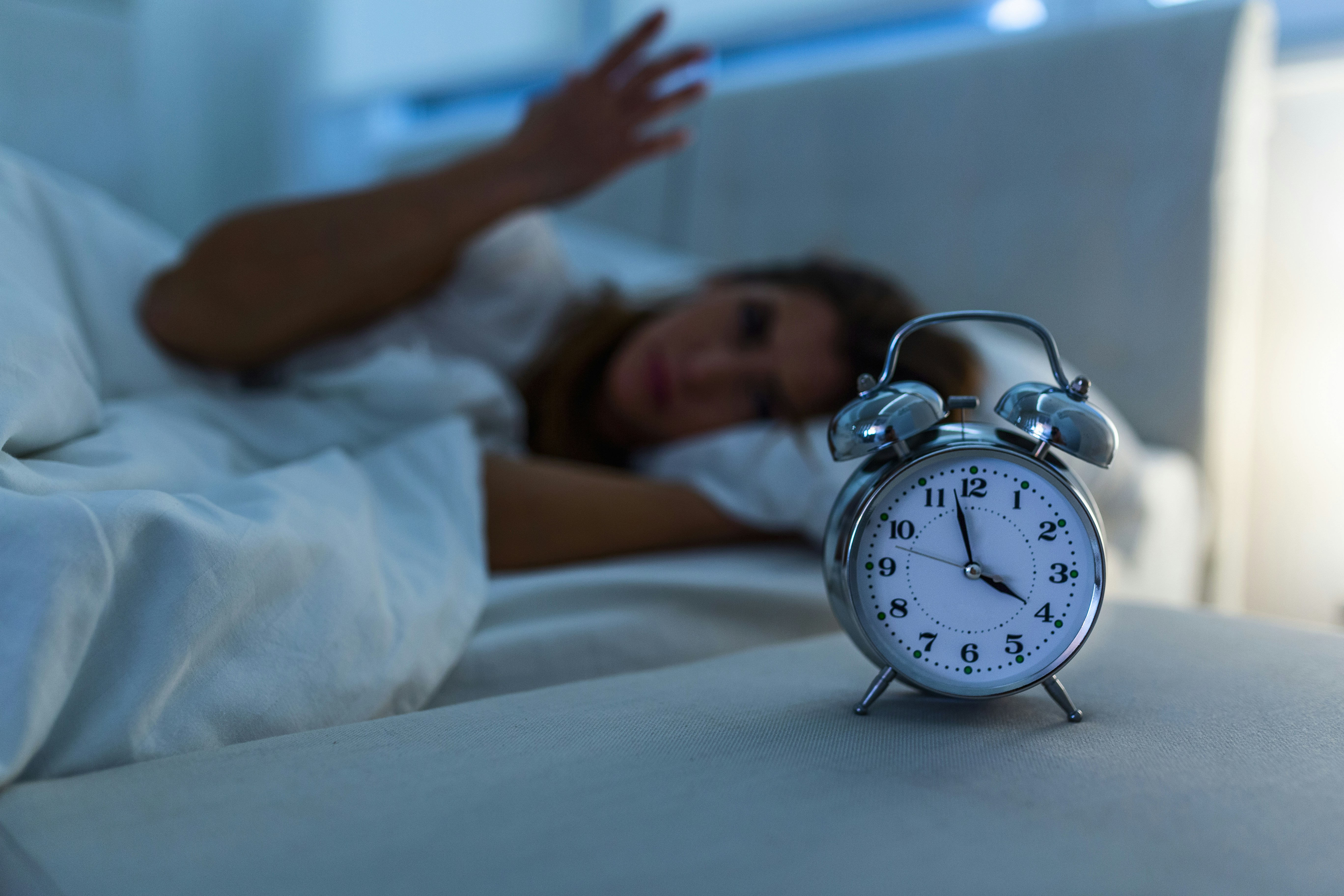
Struggling with sleep can drain everything else in your life. If you lie awake for hours, wake up multiple times a night, or feel exhausted no matter how long you stay in bed, you may be looking for options that feel more supportive and sustainable.
Many patients ask about the role of medical cannabis in improving sleep and insomnia. Some people report that it helps them relax, fall asleep faster, or stay asleep longer. Others find that it does not help, or that it can create unwanted effects like next-day grogginess or increased anxiety.
This page is designed to help you understand the basics, set realistic expectations, and learn how medical cannabis evaluations work in Florida and Pennsylvania.
If you’re ready to see whether you may qualify under your state’s medical cannabis guidelines, select Get My Med Card Now. If you’re already certified and need to stay active, choose Renew My Med Card.
A quick, important disclaimer
This content is for education only. It does not provide medical advice, diagnose any condition, or guarantee that you will qualify for a medical cannabis card.
Medical cannabis laws vary by state and change over time. Only a licensed clinician can determine whether certification is appropriate for you under your state’s rules.
Cannabis can impair attention and reaction time. Do not drive or operate machinery while impaired. Discuss cannabis with your clinician if you take prescription medications, especially those that affect the central nervous system. If you are pregnant or breastfeeding, speak with a healthcare professional before considering cannabis use.
What insomnia can look like in real life
Insomnia is not one single experience. People use the word “insomnia” to describe a few different sleep patterns.
You might have trouble falling asleep. You feel tired, but your mind stays active and sleep does not come easily.
You might fall asleep but wake up repeatedly throughout the night. You may also wake up very early and struggle to return to sleep.
Some people can sleep for many hours but still wake up feeling unrefreshed. When that pattern continues, sleep starts to affect mood, focus, work performance, relationships, and physical health.
It also helps to remember that insomnia often travels with other issues. Pain, anxiety, stress, medication side effects, and irregular schedules commonly play a role. If snoring, gasping, or daytime sleepiness shows up, sleep apnea may be a concern worth discussing with a medical professional.
How cannabis may influence sleep
Cannabis affects each person differently. Dose, product type, individual sensitivity, and your underlying health all matter.
Some patients report that cannabis helps them feel calmer at night. Others say it makes it easier to fall asleep or reduces the number of wake-ups. People who struggle with nighttime discomfort often explore cannabis as part of a symptom-management plan.
At the same time, cannabis does not act like a universal sleep medicine. Some people feel more alert. Some experience increased worry or a racing mind, especially with products that feel too strong for them. Others notice benefits early on, then feel the effect fades with frequent use.
A clinician-guided conversation helps you weigh potential benefits against potential downsides, based on your health history and goals.
THC and CBD for sleep: what to understand before you try anything
Patients often ask whether THC or CBD works better for sleep. There is no one right answer, and outcomes vary.
THC is the compound most associated with intoxication. Some people describe THC as relaxing or sedating, especially at night. Others find that THC increases anxiety or makes it harder to settle.
CBD does not typically cause a “high” and is often discussed for its calming effect. Some people report that CBD supports relaxation. Others feel no change.
You may also hear about other cannabinoids like CBN. Many products market these compounds for sleep, but product quality and effects can vary widely. For that reason, it helps to focus less on hype and more on safe, individualized guidance.
When you speak with a clinician, describe your sleep pattern, your sensitivity to substances, and any anxiety, pain, or stress components. That information matters more than chasing a specific label.
What people report helps and what can go wrong
Sleep is personal. Cannabis experiences are personal, too. It helps to go in with balanced expectations.
Some patients report that cannabis supports sleep when they deal with racing thoughts, discomfort, or difficulty winding down. Some report that they fall asleep faster. Some report fewer wake-ups.
Other patients report side effects that make sleep worse, not better. Next-day grogginess is common, especially when someone uses more than their body can tolerate or chooses a product that lasts longer than expected. Some people notice vivid dreams or changes in dreaming. Some feel more anxious or overstimulated.
Frequent use can also change how your body responds over time. Some people notice they need more to get the same effect, or they feel sleep becomes harder when they stop after regular use. You do not need to fear this, but you should understand it. Long-term sleep plans work best when you think in terms of steady, sustainable support, not quick fixes.
Why a medical cannabis card matters for sleep-focused care
Many people try cannabis informally and feel unsure about what they’re using, how it affects them, or whether they’re staying within the law. A medical cannabis card creates a more structured, compliant path.
With a medical card, you can access regulated products through licensed dispensaries. You also receive clinician-guided certification under your state program, which helps ensure the process stays ethical, safe, and aligned with state requirements.
Just as important, an evaluation gives you a chance to talk through your health history, current medications, and sleep concerns with a licensed professional—so you can make informed decisions instead of guessing.
Does insomnia qualify for a medical cannabis card in Florida or Pennsylvania?
This is one of the most important questions. The answer depends on state law.
Most state programs do not treat “insomnia” as a stand-alone qualifying condition. Instead, eligibility often depends on whether you have a qualifying diagnosis that is recognized by your state, or whether your condition fits within a state’s allowable medical criteria.
That is why a proper evaluation matters. A licensed clinician reviews your health picture and determines what applies under your state’s rules.
Pennsylvania
Pennsylvania requires certification for a recognized serious medical condition under the state program. Many people who struggle with insomnia also live with conditions that Pennsylvania recognizes, such as certain anxiety disorders, chronic pain conditions, PTSD, or other qualifying diagnoses.
In Pennsylvania, your clinician certifies you based on what qualifies under the state program. Patients often talk about insomnia as a symptom they experience alongside an approved condition, rather than a stand-alone reason.
Florida
Florida has a defined set of qualifying conditions. Florida also allows certification for certain medical conditions that are comparable to those listed, based on a clinician’s professional judgment and the state’s guidelines.
Many Florida patients who struggle with sleep also deal with pain, anxiety, PTSD symptoms, or other issues that may be relevant in an evaluation. Your clinician reviews your symptoms and health history and determines whether certification is appropriate under Florida rules.
If you want clarity on your situation, start an evaluation with Verileaf. Choose Get My Med Card Now to begin.
What to share during your evaluation to make it efficient
Patients sometimes worry they need the “perfect” explanation to qualify. You don’t. You just need to be honest and clear.
Before your visit, think about your sleep pattern. Describe what happens on a typical night. Note how long you have struggled with sleep, how often it occurs, and what it affects during the day.
Also think about what might be connected to your insomnia. Do you wake due to discomfort? Do you feel anxious at night? Do nightmares or stress responses show up? Do you take any medications that may affect sleep?
If you tried other approaches, mention them. For example, lifestyle changes, sleep routines, therapy, supplements, or prescription sleep aids. This history helps your clinician understand what you’ve already explored.
If you have relevant medical records, they can help, but you don’t always need extensive documentation. Your clinician can guide you on what is helpful.
Product forms and timing basics (education only)
Cannabis products can feel very different depending on the form. This is one reason people have mixed experiences with sleep.
Some forms take effect more quickly and fade sooner. Others take longer to start but last longer into the night or even into the morning. Longer-lasting products may increase the chance of next-day grogginess for some people.
People also respond differently depending on dose and personal sensitivity. That is why clinicians often emphasize a cautious, “start low and go slow” approach when discussing cannabis generally. Your clinician can help you think through safety and expectations without rushing you into a choice that doesn’t fit your body.
Avoid mixing cannabis with alcohol or other sedating substances. If you take sleep medication, anxiety medication, or pain medication, tell your clinician. Interactions and additive sedation can be important.
Sleep habits that can strengthen your results
Medical cannabis is not the only piece of better sleep. If you want long-term improvement, basic sleep habits can support your body regardless of whether you use cannabis.
A consistent wake time often helps more than a strict bedtime. Natural light early in the day supports your sleep drive at night. Late caffeine and late heavy meals can disrupt sleep for some people.
A simple wind-down routine helps your nervous system shift gears. You can dim lights, reduce screens, and do something calming for 20 to 30 minutes before bed. If your mind races, a short journaling routine can help you “park” your thoughts.
If loud snoring, choking or gasping during sleep, or significant daytime sleepiness show up, consider speaking with a healthcare provider about possible sleep apnea. Treating underlying sleep disorders can make a bigger difference than any supplement or cannabis product.
If you are already certified and planning your renewal, don’t wait until your access is close to expiring. Select Renew My Med Card to stay on track.
Why patients choose Verileaf
Verileaf MD was built to make the medical cannabis process feel clear, ethical, and supportive.
We connect you with licensed clinicians who take the time to listen. We explain what your state requires and what steps come next. We keep the process simple, without pressure or rushed decisions.
If you qualify, we guide you through what to do next. If you do not qualify, you are protected by our money-back guarantee.
We also offer ongoing support, education, and optional add-on sessions through our packages for patients who want a more guided wellness journey.
Ready to take the next step?
If sleep issues are affecting your quality of life and you want a professional, compliant evaluation, Verileaf can help you move forward with clarity.
Choose Get My Med Card Now to begin.
If you’re already certified, select Renew My Med Card to stay active and compliant.
For all inquiries, you can reach us at contact@buymedcard.com.
