

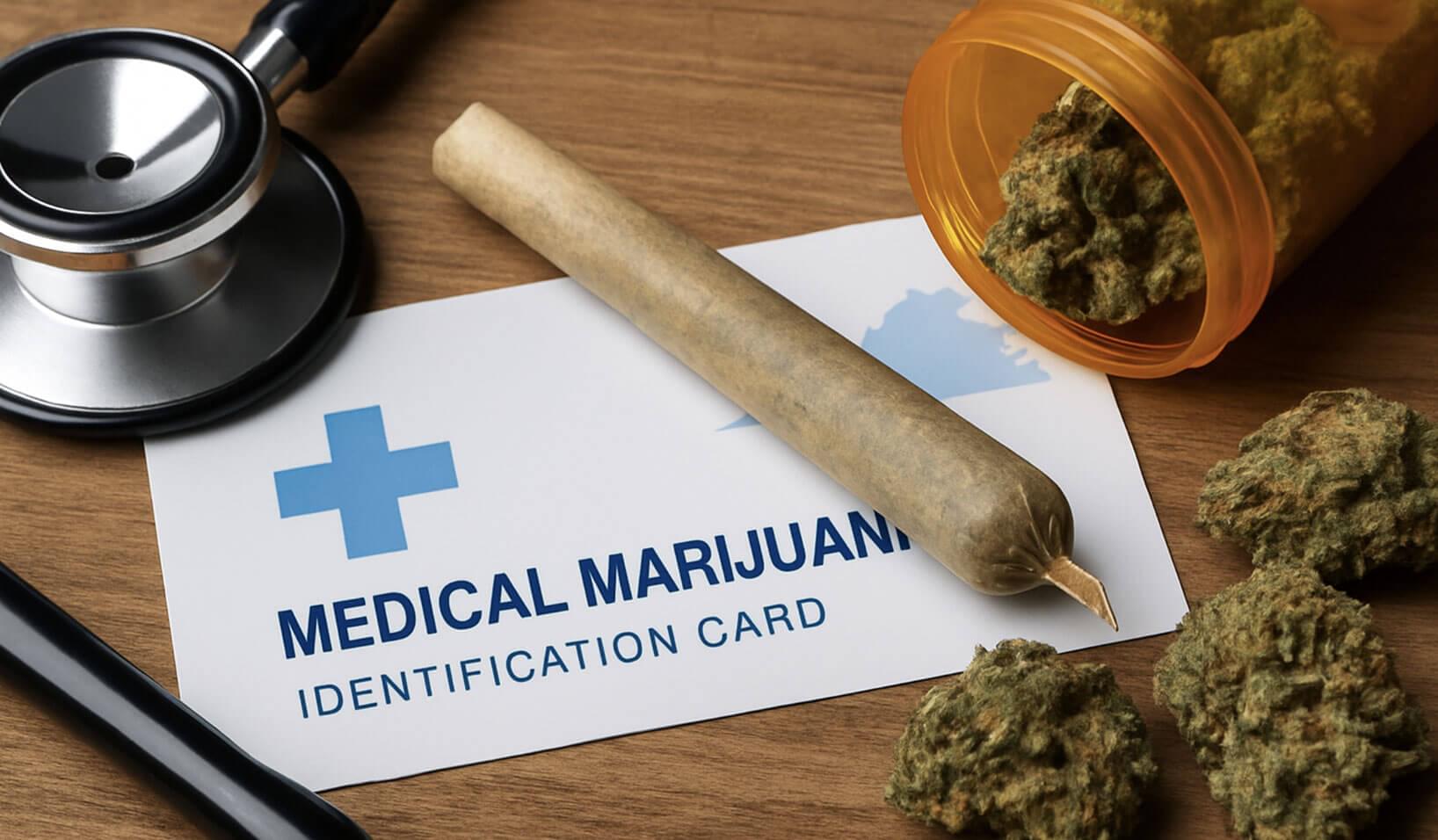
So, you’ve received your medical marijuana card—congratulations! Whether you’re managing chronic pain, anxiety, PTSD, or another qualifying condition, a medical marijuana card can open up a new path to wellness. But what happens next? Understanding the steps after approval can help you navigate the process confidently and get the most out of your new access to medical cannabis.
Step 1: Locate a Licensed Dispensary
Once you receive your card, your next move is to find a state-licensed dispensary near you. Most states have online directories or apps that list approved dispensaries. When choosing one, consider factors like product variety, staff knowledge, pricing, and patient reviews. Some dispensaries offer new-patient discounts, educational consultations, or loyalty programs—so take your time to pick one that suits your needs.
Step 2: Bring the Right Documents
Your first visit to a dispensary may feel a bit intimidating, but it’s straightforward. Bring your medical marijuana card and a valid government-issued ID. In some states, a recommendation letter from your certifying doctor may also be requested. Once checked in, you’ll be able to speak with a budtender or dispensary associate, who will walk you through your options.
Step 3: Choose the Right Products
Medical marijuana comes in many forms: flower (bud), edibles, tinctures, topicals, capsules, and vape cartridges. If you’re new to cannabis, it’s best to start with low-THC products and slowly increase dosage as needed. A knowledgeable staff member can help you choose products based on your symptoms and goals—whether you’re looking to improve sleep, manage pain, or reduce anxiety.
Different strains also offer different effects. For example
- Indica strains are typically more relaxing and better for nighttime use.
- Sativa strains are often energizing and ideal for daytime use.
- Hybrid strains combine properties of both.
Remember: every person reacts differently, so it may take some trial and error to find what works best for you.
Step 4: Follow State Usage Guidelines
After getting your products, be sure to store and use them responsibly. Each state has specific rules around possession limits, transportation, and public consumption. For instance, it’s illegal to use cannabis while driving or to share your prescription with others. Always keep your card with you when carrying cannabis, and make sure products are kept out of reach of children or pets at home.
Step 5: Track Your Experience
Especially in the beginning, it’s helpful to keep a journal of your experiences. Record what products you used, the dosage, time of day, and how you felt afterward. Over time, you’ll start to notice patterns in what works best for your symptoms. This information is valuable not only for yourself but also for future visits to the dispensary or check-ins with your medical provider.
Step 6: Schedule Renewals and Follow-ups
Most medical marijuana cards are valid for 6 to 12 months, depending on your state. Mark your calendar so you don’t forget to renew it. Some states require a follow-up appointment with your certifying physician to maintain eligibility. Staying on top of renewals ensures you continue to have legal access without interruption.
Getting your medical marijuana card is just the beginning. The journey from approval to relief can take a little time, but with the right guidance, it’s a manageable and rewarding process. By working closely with your dispensary, staying informed about state laws, and tracking your progress, you’ll be well on your way to a healthier, more balanced lifestyle.
Whether you're in Florida, Pennsylvania, or another approved state, make the most of your card—and take control of your well-being with safe, legal, and therapeutic cannabis care.
For all inquiries, you can reach us at contact@buymedcard.com.
